
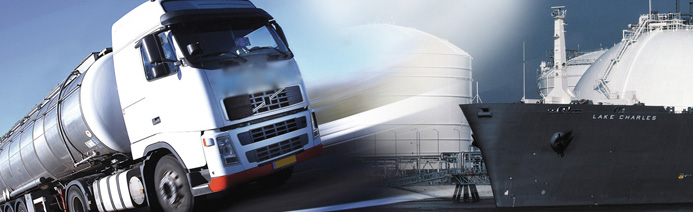
A practical guide to penetration, viscosity and performance grade bitumen, cutbacks, emulsions and PMB for durable African road construction.
Why Bitumen Grade Selection Matters for African Roads
Across the African continent, road infrastructure is the backbone of trade, mobility and economic growth. From the trunk highways linking Gaborone to regional capitals to rural feeder roads carrying agricultural produce to market, the performance of a road surface depends heavily on one critical ingredient: bitumen. Choosing the correct bitumen grade is not a minor technical footnote — it is the single decision that determines whether a road will last fifteen years of heavy traffic and searing heat, or crack, rut and ravel within a single rainy season. Big Oil Trading Company Limited (BOTC), headquartered in Gaborone, Botswana, treats bitumen manufacturing as one of its five core strategic business units, alongside oil trading and storage, crude oil refinery and recycling, shipping and logistics, and boutique filling stations. This guide sets out, in practical and technical detail, the full market of bitumen grades, cutbacks, emulsions and modified binders that African road authorities, contractors and asset owners need to understand when specifying bituminous products.
Africa's road-building environment is uniquely demanding. Ambient temperatures regularly exceed 40°C in the sun, pavement surface temperatures can climb well beyond that, and many corridors carry a mix of overloaded heavy trucks and rapidly growing light vehicle volumes. At the same time, rural and peri-urban roads often need low-cost, low-technology binder solutions that can be applied without heavy plant. Bitumen grade selection therefore has to balance climate, traffic loading, construction technique, budget and long-term maintenance strategy. Getting this balance right is central to durable, cost-effective road networks — and it is exactly the kind of technical judgement that a specialist bitumen manufacturing and supply partner brings to a project.
Understanding Penetration Grade Bitumen
Penetration grade bitumen remains the most widely used binder classification system in Africa and much of the world. The grading is based on the penetration test, in which a standard needle under a fixed load (100 grams) is allowed to penetrate a sample of bitumen at 25°C for five seconds, with the result measured in tenths of a millimetre. Common penetration grades include 40/50, 60/70, 80/100 and 150/200, with the numbers representing the range of penetration values permitted for that grade.
The practical implication of penetration grading is straightforward: lower penetration numbers indicate harder, stiffer bitumen suitable for hot climates and heavy, slow-moving or channelised traffic such as truck routes, intersections and mining haul roads. Higher penetration numbers indicate softer bitumen suitable for cooler climates, lower-volume roads, or surface dressing applications where flexibility and good aggregate wetting are priorities.
- Penetration grade 40/50 — hard binder for very hot climates, heavy-duty industrial pavements and airport aprons
- Penetration grade 60/70 — the most common grade for main road asphalt surfacing in tropical and sub-tropical Africa
- Penetration grade 80/100 — general-purpose grade for base and binder courses, moderate traffic
- Penetration grade 150/200 — softer grade often used for surface dressing, low-volume rural roads and cold-mix applications
Penetration grade selection in African conditions typically leans towards the harder end of the spectrum compared to temperate countries, because pavement surface temperatures in Botswana, Zambia, Namibia and much of the SADC region routinely exceed the softening point thresholds that would cause a softer bitumen to deform under load. This is why 60/70 penetration grade has become something of a regional default for main road surfacing, while 40/50 is increasingly specified for climate-stressed corridors carrying high volumes of overloaded freight.
Viscosity Grade Bitumen: An Alternative Classification
Many road authorities, particularly in regions influenced by Australian, South African and Middle Eastern practice, classify bitumen by viscosity grade rather than penetration. Viscosity grading measures the binder's resistance to flow at 60°C, expressed in Pascal-seconds, and produces grades such as VG10, VG20, VG30 and VG40 (or, using an alternative nomenclature, 40/50, 60/70 equivalents expressed as V1500, V3000 and so on depending on the standard applied).
Viscosity grading has an advantage in very hot climates because it more directly measures the binder's behaviour at pavement service temperatures rather than at the somewhat arbitrary 25°C penetration test temperature. South Africa's road authority, for instance, has historically specified viscosity grades for many trunk road contracts precisely because viscosity correlates better with rutting resistance under sustained heat and heavy axle loads. Botswana and neighbouring countries, whose road agencies frequently reference South African and SADC harmonised specifications, will therefore encounter both penetration and viscosity grade callouts, and a competent bitumen supplier needs to be fluent in converting and supplying against either system.
- VG10 — softer viscosity grade for cooler regions or low-stress applications
- VG20 — moderate grade for general road construction, roughly equivalent in stiffness to 60/70 penetration bitumen
- VG30 — harder viscosity grade, favoured for heavy-duty pavements and hot climates
- VG40 — the hardest common viscosity grade, reserved for the most demanding high-temperature, high-load applications
Performance Grade (PG) Bitumen Explained
Performance grade, or PG, bitumen represents a more sophisticated, climate-and-traffic-specific classification system originally developed under the United States' Strategic Highway Research Program (SHRP) and now used, in adapted forms, across many parts of the world including several African road authorities pursuing more rigorous specification regimes.
A PG grade is expressed as two numbers, for example PG 64-22. The first number is the average seven-day maximum pavement design temperature in degrees Celsius at which the binder must resist rutting; the second is the minimum pavement design temperature at which it must resist low-temperature cracking. Unlike penetration or viscosity grading, which test the binder at fixed temperatures regardless of where it will be used, PG grading ties the binder's required properties directly to the actual climatic envelope of the project site.
- The high-temperature number governs rutting resistance and is tested using the Dynamic Shear Rheometer (DSR)
- The low-temperature number governs thermal cracking resistance and is tested using the Bending Beam Rheometer (BBR)
- Intermediate properties, including fatigue cracking resistance, are also captured through DSR testing on aged samples
For much of Botswana and the wider SADC region, high daytime pavement temperatures combined with cool winter nights in some interior locations can create a wide PG temperature span, which is precisely the scenario PG grading is designed to manage. As African road agencies modernise their specifications and pursue longer design lives with reduced early-life distress, demand for PG-graded and PG-verified bitumen is steadily increasing, and manufacturers who can test and certify to PG parameters gain a real competitive advantage in tender processes.
Cutback Bitumen: RC, MC and SC Grades
Cutback bitumen is produced by blending penetration grade bitumen with a volatile petroleum solvent, which temporarily reduces its viscosity so that it can be applied at lower temperatures without heating, or with only mild heating. Once applied, the solvent evaporates, leaving the base bitumen to perform its binding function. Cutbacks are classified by the type and evaporation rate of the solvent used, giving rise to three families.
- Rapid Curing (RC) cutbacks use naphtha or gasoline-type solvents that evaporate quickly, making them suitable for surface dressing and priming where fast set-up is needed
- Medium Curing (MC) cutbacks use kerosene-type solvents with a moderate evaporation rate, commonly used for prime coats, tack coats and some patching mixes
- Slow Curing (SC) cutbacks use heavier oils that evaporate slowly, historically used where a longer working time is required, although SC cutbacks have become less common as emulsions have taken over many of their traditional applications
Cutback bitumen grades are further numbered — for example MC-30, MC-70, MC-250, MC-3000 — with the number broadly indicating viscosity after cutback; lower numbers are thinner and more fluid, higher numbers are more viscous. Cutbacks remain valuable for rural road programmes across Africa where mobile heating plant is scarce, for prime coats that need to penetrate porous granular bases, and for maintenance patching in remote locations. Their main drawback is the loss of volatile solvent to the atmosphere during curing, which has environmental and, in some jurisdictions, occupational health implications, and this is progressively pushing many road authorities towards emulsion alternatives wherever feasible.
Bitumen Emulsions: Anionic, Cationic, Rapid, Medium and Slow Set
Bitumen emulsion is bitumen dispersed as microscopic droplets in water, stabilised with an emulsifying agent, allowing bitumen to be handled, transported and applied at or near ambient temperature. This makes emulsions particularly attractive for African rural road programmes, low-carbon construction targets, and any operation where minimising fuel use for heating is a priority.
Emulsions are classified along two independent axes: the electrical charge of the emulsifier (anionic or cationic) and the setting behaviour of the emulsion once applied (rapid-set, medium-set or slow-set).
- Anionic emulsions carry a negative surface charge and bond most effectively with basic (alkaline) aggregates such as limestone and dolomite
- Cationic emulsions carry a positive surface charge and bond most effectively with acidic aggregates such as granite and quartzite, which are common across much of southern Africa
- Rapid-Set (RS) emulsions break quickly on contact with aggregate, ideal for surface dressing (chip seals) and tack coats where fast trafficking is needed
- Medium-Set (MS) emulsions break more slowly, suitable for open-graded premix and some patching applications
- Slow-Set (SS) emulsions remain stable for longer, used in dense-graded cold mixes, slurry seals and fine aggregate applications where extended workability is required
Because cationic emulsions generally suit the acidic, quartz-rich aggregates common in Botswana, Zambia, Zimbabwe and much of the surrounding geology, cationic rapid-set (CRS) and cationic slow-set (CSS) emulsions are frequently the products of choice for southern African chip seal and slurry seal programmes. Correctly matching emulsion charge type to local aggregate mineralogy is one of the most common — and most costly to get wrong — decisions in an emulsion-based road maintenance programme, since a charge mismatch produces poor adhesion, premature stripping and rapid pavement failure.
A road surface treatment is only as good as the chemistry that bonds the binder to the stone beneath it — get the emulsion charge and set time wrong, and even the best aggregate will fail within a single wet season.
Polymer Modified Bitumen (PMB) for Demanding Applications
Polymer modified bitumen incorporates elastomeric or plastomeric polymers — most commonly Styrene-Butadiene-Styrene (SBS) or Ethylene Vinyl Acetate (EVA) — into the base bitumen to enhance elasticity, temperature susceptibility, fatigue resistance and durability well beyond what unmodified penetration grade bitumen can achieve.
- SBS-modified bitumen improves elasticity and low-temperature flexibility, making it well suited to bridge decks, high-stress intersections and heavily trafficked highways subject to large temperature swings
- EVA-modified bitumen improves stiffness and rutting resistance at high service temperatures, making it a strong candidate for hot-climate applications such as toll roads, mining haul roads, container terminals and airport pavements
- Crumb rubber modified bitumen, incorporating recycled tyre rubber, delivers similar elastic performance benefits while also supporting circular-economy and waste-diversion objectives increasingly valued by African infrastructure funders
PMB products cost more per tonne than conventional penetration grade bitumen, but their extended service life, reduced rutting, improved resistance to reflective cracking over old pavement layers, and superior performance under the extreme axle loads seen on many African freight corridors frequently deliver a lower total lifecycle cost. As development finance institutions and road agencies across the continent place greater emphasis on whole-of-life pavement performance rather than lowest first cost, demand for polymer modified bitumen on strategic corridors, bridge approaches and heavy-haul routes is rising steadily, and BOTC's manufacturing capability is positioned to respond to that shift.
Storage and Heating of Bitumen: Getting the Fundamentals Right
Bitumen is a thermoplastic material, and its handling properties change dramatically with temperature. Correct storage and heating practice protects product quality, worker safety and asset integrity throughout the supply chain.
- Bulk penetration grade bitumen is typically stored in insulated, heated steel tanks maintained between roughly 140°C and 163°C depending on grade, with continuous temperature monitoring to avoid localized overheating
- Prolonged storage at excessive temperature accelerates oxidative hardening of the bitumen, a process that raises softening point and reduces penetration, effectively ageing the product before it ever reaches the road
- Indirect heating systems, using hot oil or steam coils rather than direct flame, are strongly preferred to avoid localized carbonisation (coking) that can contaminate the product and damage storage vessels
- Emulsions must never be allowed to freeze, and are generally stored between 20°C and 60°C with periodic gentle agitation to prevent settlement, since excessive agitation or heat can break the emulsion prematurely
- Cutback bitumen requires storage precautions similar to other flammable petroleum products, given the volatile solvent content, including appropriate venting, bunding and fire suppression provisions
Facility design also matters: tank insulation quality, recirculation pump sizing, and the use of nitrogen blanketing on premium PMB storage tanks (to limit oxidation) are all factors that separate a well-run bitumen depot from one prone to product quality complaints. A manufacturer that controls its own storage infrastructure, as opposed to relying solely on third-party terminals, has far greater ability to guarantee that the grade specified on the delivery note is the grade that actually reaches the paving site.
Transporting Bitumen: Bitutainers, Insulated Tankers and Drums
Bitumen's temperature sensitivity makes transportation logistics a genuinely technical discipline in its own right, and this is especially true across Africa's long-haul corridors where a shipment may travel hundreds of kilometres from refinery or terminal to a remote construction camp.
- Insulated road tankers, fitted with heating coils or at minimum reliable thermal insulation, are the standard method for bulk bitumen delivery over medium distances, keeping the product within its application temperature window for as long as practically possible
- Bitutainers — specialised insulated, heated ISO-format containers — have become increasingly popular for long-distance and cross-border African deliveries because they can be transported by road, rail or sea without decanting, dramatically reducing handling losses and contamination risk, and can sit at a remote site for weeks while being reheated only as needed
- 200-litre steel drums remain relevant for very remote rural projects, emergency maintenance stocks and markets without bulk-handling infrastructure, despite higher unit packaging cost and the physical labour involved in drum handling and disposal
- Rail tank wagons are used where rail infrastructure connects refinery or import terminal directly to major consumption centres, offering lower unit transport cost over very long distances
Cross-border movement within the SADC region introduces additional complexity: customs clearance timing, differing national hazardous-goods transport regulations, and the sheer distances involved between coastal import terminals and landlocked markets like Botswana all place a premium on transport planning. A logistics network that combines bitutainer flexibility for cross-border moves with insulated bulk tankers for last-mile delivery gives contractors the reliability of supply that tight construction programmes demand — an area where BOTC's shipping and logistics strategic business unit works hand in hand with its bitumen manufacturing unit to keep binder moving efficiently from source to site.
Specification Testing: Verifying Bitumen Quality
No bitumen grade classification is meaningful unless it is verified through rigorous, standardised laboratory testing at the point of manufacture, at receipt on site, and periodically during storage. The core suite of tests used across African road specifications, largely drawn from ASTM, EN and SANS standards, includes the following.
- Penetration test — measures needle penetration depth at 25°C, the primary basis for penetration grading
- Softening point (Ring and Ball) test — determines the temperature at which bitumen softens sufficiently to allow a steel ball to fall through a specified distance, indicating temperature susceptibility and rutting potential
- Ductility test — measures the distance a standard bitumen briquette can be stretched before breaking, indicating flexibility and resistance to cracking
- Flash point test — establishes the temperature at which bitumen vapours can ignite, critical for safe heating and handling
- Viscosity testing — using rotational or capillary viscometers, underpins viscosity grading and quality control of cutbacks and emulsions
- Solubility in trichloroethylene — confirms bitumen purity and absence of excessive mineral or organic contamination
- Thin Film Oven Test (TFOT) and Rolling Thin Film Oven Test (RTFOT) — simulate short-term ageing during hot mixing to predict how the binder will behave once in service
- Storage stability test for emulsions — confirms the emulsion will not separate excessively during typical field storage periods
- Residue on distillation — for cutback bitumen, determines the proportion and properties of the base bitumen remaining after the solvent evaporates
Independent, accredited laboratory verification of these parameters, combined with batch traceability and certificates of conformance issued with every delivery, gives specifying engineers and contracting authorities the confidence that the bitumen arriving on site genuinely meets the grade called for in the contract documents — protecting both the immediate construction quality and the long-term durability of the finished pavement.
Matching Bitumen Grade to Climate and Traffic: A Practical Framework
With so many grading systems, cutback types and emulsion variants available, road designers and procurement teams benefit from a structured decision framework rather than defaulting to habit or historical practice.
- Start with climate data: obtain the seven-day maximum pavement design temperature and the extreme minimum pavement temperature for the project location, ideally through PG-style climate mapping where available
- Assess traffic loading: estimate design traffic in terms of Equivalent Standard Axles (ESA) over the design life, paying particular attention to overloading trends common on African freight corridors
- Consider construction technique and available plant: hot-mix asphalt plants justify penetration, viscosity or PG graded bitumen; surface dressing programmes with limited heating capacity favour cutbacks or emulsions; remote rural works with minimal equipment favour emulsions or drummed product
- Factor in aggregate mineralogy: match emulsion charge type (anionic or cationic) to the acidity or alkalinity of locally available aggregate sources
- Weigh lifecycle cost against first cost: on strategic corridors and heavy-haul routes, the higher upfront cost of polymer modified bitumen is frequently justified by dramatically extended maintenance-free service life
- Confirm supply chain reliability: verify that the chosen grade can actually be manufactured, stored and delivered to the project site within the required temperature window and construction programme
This framework reflects the reality that bitumen specification is never a purely technical exercise in isolation — it must be reconciled with what a region's contractors can realistically construct, what a project's budget can sustain, and what a supplier can reliably deliver to often remote and logistically challenging sites across Botswana and the wider SADC region.
Partnering with Big Oil Trading Company for Bitumen Supply
Big Oil Trading Company Limited, based in Gaborone, Botswana, has established bitumen manufacturing as one of its five strategic business units, sitting alongside oil trading, bunkering and storage terminals, crude oil refinery and recycling operations, shipping and logistics, and boutique filling stations. This integrated structure matters directly to road contractors and government agencies sourcing bitumen: a manufacturer that also controls storage terminals and shipping and logistics capability is far better positioned to guarantee consistent grade quality and on-time, on-temperature delivery than a pure trading intermediary.
BOTC's declared product range explicitly includes bitumen across all grades, cutbacks and emulsions, reflecting the breadth of technical capability this guide has described — from conventional penetration and viscosity grades for mainstream road construction, through rapid, medium and slow curing cutbacks for rural and maintenance applications, to anionic and cationic emulsions engineered to match southern Africa's predominant aggregate types. The company's stated intention to construct ultra-modern, fully automated, modern production facilities signals a long-term commitment to consistent, specification-verified bitumen manufacturing rather than opportunistic trading of whatever product happens to be available.
For road authorities and contractors across Botswana and the broader region, the practical takeaway is this: bitumen grade selection is a technical discipline with real consequences for road durability, safety and lifecycle cost, and it deserves a supply partner who understands penetration, viscosity and performance grading, who can advise on cutback and emulsion selection for local aggregate and climate conditions, who maintains storage and heating infrastructure to the standards this guide has outlined, and who can move product reliably by bitutainer, tanker or drum to wherever the next kilometre of African road needs to be built.
- Bitumen manufacturing is one of BOTC's five strategic business units
- Declared product range covers bitumen of all grades, cutbacks and emulsions
- Integrated trading, storage, refinery and shipping capability supports reliable bitumen supply chains
- Long-term investment plans point towards modern, automated production facilities
Roads are only as strong as the binder beneath them — selecting the right bitumen grade for African climate and traffic conditions is where durable infrastructure begins.