What PCBs are, why PCB-contaminated transformer oil is hazardous, the Stockholm Convention, and how African utilities can safely recycle and dispose of toxic oil.
For decades, the electricity generation and transmission sector relied on a class of chemicals now recognised as among the most persistent and hazardous industrial pollutants ever manufactured: polychlorinated biphenyls, universally abbreviated as PCBs. Once prized for their fire resistance and electrical insulating properties, PCBs are now the subject of a global treaty aimed at eliminating them entirely. For power utilities across Africa still operating ageing transformer fleets, understanding what PCBs are, why PCB-contaminated toxic oil is dangerous, and how it must be handled and disposed of is not an academic exercise — it is an urgent operational and environmental responsibility.
What Are PCBs and Why Were They Used in Transformer Oil
Polychlorinated biphenyls are a family of synthetic chemical compounds consisting of a biphenyl molecule with varying numbers of chlorine atoms attached. This chlorination gives PCBs a remarkable set of physical properties: they are chemically stable, resistant to heat, non-flammable, and excellent electrical insulators. Beginning in the 1930s and continuing for roughly five decades, these properties made PCBs the material of choice for dielectric fluid in electrical transformers and capacitors, particularly in applications where fire safety was paramount, such as transformers installed inside buildings, mines, or densely populated urban areas.
PCBs were typically used either as a pure dielectric fluid (often marketed under trade names such as Askarel) or blended into mineral transformer oil to improve its fire-resistance characteristics. Millions of transformers and capacitors manufactured throughout the mid-twentieth century contain, or were once filled with, PCB-based or PCB-contaminated fluids, and many of these units, or their replacement oil batches contaminated through cross-contamination during servicing, remain in service or in storage around the world today, including in parts of Africa.
Why PCBs Are So Dangerous
The very chemical stability that made PCBs so useful industrially is precisely what makes them so hazardous environmentally and biologically. PCBs do not readily break down in the environment, they bioaccumulate in fatty tissue, and they biomagnify up the food chain, meaning concentrations increase at each successive trophic level from plankton to fish to humans.
Health Risks
Human exposure to PCBs can occur through skin contact, inhalation of contaminated dust or vapour, or ingestion of contaminated food, particularly fish from contaminated waterways. Documented and suspected health effects associated with PCB exposure include:
- Classification as a probable human carcinogen by international health and environmental authorities, based on evidence linking PCB exposure to increased cancer risk.
- Disruption of the endocrine system, including interference with thyroid hormone function.
- Adverse effects on the immune system, reducing resistance to infection.
- Reproductive and developmental effects, including impacts on foetal and infant neurological development when pregnant or nursing mothers are exposed.
- Liver damage and skin conditions such as chloracne following significant exposure.
Environmental Risks
Once released into the environment, whether through a leaking transformer, an improperly stored drum of used oil, or illegal dumping, PCBs bind strongly to soil and sediment particles and persist for decades. They can migrate into groundwater, be carried long distances through water and air, and accumulate in the tissue of fish, birds, and mammals. Contaminated sites can require extremely costly and lengthy remediation, and contaminated water bodies can remain unsafe for fishing for generations.
PCBs do not disappear on their own. A single poorly managed drum of PCB-contaminated oil can create a contamination legacy that outlasts the transformer it came from by many decades.
The Stockholm Convention and the Global Effort to Eliminate PCBs
Recognising the severity of these risks, the international community negotiated the Stockholm Convention on Persistent Organic Pollutants, which entered into force in the early 2000s and has since been ratified by the great majority of the world's nations. The Convention specifically targets PCBs alongside other persistent organic pollutants, and it commits signatory countries to a set of clear obligations:
- Eliminating the use of PCBs in existing equipment by a defined target date, with continued efforts required for equipment that could not be phased out by that deadline.
- Promoting measures to reduce exposure and risk from PCB-containing equipment still in use, including labelling, safe handling, and leak prevention.
- Ensuring that PCB-contaminated wastes are managed in an environmentally sound manner, including proper collection, transport, and destruction through approved technologies.
- Preventing the disposal of PCB wastes through methods that could lead to recovery, recycling, reclamation, or reuse of the PCBs themselves, since simply moving the problem elsewhere is not considered environmentally sound management.
- Reporting national inventories of PCB-containing equipment and progress toward elimination targets.
Most African nations are parties to the Stockholm Convention, which means national environmental regulators across the continent are obligated to track PCB-containing equipment, support its safe phase-out, and ensure that any associated waste oil is treated as hazardous waste rather than ordinary used industrial oil. For power utilities, this creates a direct compliance obligation: transformers and their oil must be tested, classified, and where PCBs are found above regulatory thresholds, managed under the stricter protocols the Convention requires.
How Utilities in Africa Should Handle Used Transformer Oil
Given the stakes involved, power utilities and industrial operators across Africa should treat every batch of used transformer oil as potentially PCB-contaminated until laboratory testing proves otherwise. A responsible approach follows a clear sequence.
Step 1: Test Before You Touch It
Before any used oil is drained, transported, or reused, a representative sample should be laboratory tested specifically for PCB content, in addition to the standard dielectric, moisture, and acidity tests used for general oil condition assessment. This single step determines the entire downstream handling pathway.
Step 2: Segregate PCB-Contaminated Oil Immediately
Any oil found to contain PCBs above the regulatory threshold must be physically segregated from PCB-free oil streams. Mixing contaminated and uncontaminated oil, even accidentally, can turn a manageable, low-volume hazardous waste problem into a much larger and more expensive one, since the entire mixed volume must then be treated as contaminated.
Step 3: Use Certified Containers, Labelling, and Storage
PCB-contaminated oil must be stored in sealed, leak-proof, clearly labelled containers, in a secure area with impermeable flooring and spill containment, away from drainage routes, water sources, and general waste streams. Poor storage is one of the most common causes of accidental environmental contamination.
Step 4: Engage Licensed Transport and Disposal Specialists
Transport of hazardous PCB waste should only be undertaken by operators licensed for hazardous materials handling, following full chain-of-custody documentation. Final treatment, whether through high-temperature incineration, chemical dechlorination, or another approved destruction technology, must occur at a facility certified to destroy PCBs to internationally recognised standards, rather than simply storing or burying the waste indefinitely.
- Never dispose of used transformer oil in open pits, unlined ponds, or ordinary landfill.
- Never burn suspected PCB oil in uncontrolled conditions, as incomplete combustion can generate even more toxic by-products such as dioxins and furans.
- Never sell or transfer used oil of unknown PCB status to informal buyers or unlicensed recyclers.
- Always retain full testing, transport, and disposal documentation for regulatory audit purposes.
Removing Disposal Cost and Reputational Risk From Utilities
One of the most significant practical barriers to responsible PCB oil management in many African markets has historically been cost. Certified hazardous waste testing, licensed transport, and approved destruction technologies are specialised services, and utilities operating with tight capital budgets can be tempted to defer testing or take shortcuts on disposal. This is precisely where a specialised clean oil technology partner adds value.
By taking over the collection, transport, and processing of used and potentially PCB-contaminated oil on behalf of power utilities, a dedicated recycling and disposal partner absorbs both the direct cost burden and, just as importantly, the reputational risk that comes with hazardous waste management. An electricity company that outsources this responsibility to a specialist no longer has to worry about whether a drum of contaminated oil might end up dumped in a wetland, discovered years later by investigative journalists or environmental regulators, and traced back to its own operations. That reputational exposure, once realised, can be far more damaging and costly than the original disposal expense would ever have been.
The true cost of PCB contamination is rarely the disposal invoice — it is the decades of remediation liability, regulatory penalties, and reputational damage that follow a single contamination incident.
The Environmental Benefits of Responsible Recycling for the Electricity Sector
It is important to distinguish between recycling PCB-free used transformer oil, which can genuinely be regenerated back into clean, reusable dielectric fluid, and the management of confirmed PCB-contaminated oil, which under the Stockholm Convention must be destroyed rather than recovered for reuse. Responsible operators in this space apply exactly that distinction: testing every batch, channelling PCB-free oil into regeneration and resupply, and channelling confirmed PCB-contaminated oil into certified destruction pathways.
The environmental benefits of getting this right at scale are substantial for the electricity generation sector as a whole:
- Reduced risk of soil and groundwater contamination from improperly stored or dumped transformer oil.
- Reduced risk of PCBs entering food chains through contaminated fish, livestock, or crops.
- Lower overall demand for virgin refined transformer oil, since PCB-free used oil that is properly regenerated can safely re-enter service.
- Stronger national compliance with Stockholm Convention obligations, supporting the broader African and global effort to eliminate persistent organic pollutants on schedule.
- Greater public trust in the electricity sector as a responsible environmental steward, rather than a source of hidden toxic legacy sites.
Building a Culture of Testing and Transparency
the single most powerful tool available to any utility for managing PCB risk is a culture of routine, transparent testing. Transformers and their oil should be tested on a regular schedule throughout their operating life, not only when a fault occurs or a unit is decommissioned. Inventories of PCB-containing or PCB-suspect equipment should be maintained and shared with national environmental authorities in line with Stockholm Convention reporting obligations. And every drum of used oil leaving a substation should be accompanied by clear documentation of its test status, so that everyone in the collection–transport–processing chain knows exactly what they are handling.
This transparency protects utility staff and contractors who physically handle the oil, protects surrounding communities and ecosystems from accidental contamination, and protects the utility itself from the legal and reputational consequences of a mismanaged hazardous waste incident.
Big Oil Trading Company's Role in Clean Oil Technology and the Green Agenda
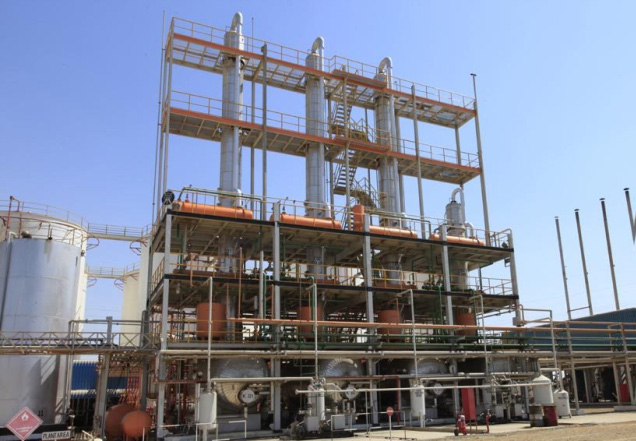
Big Oil Trading Company Limited, headquartered in Gaborone, Botswana, is an integrated oil energy company whose objective is to lead in clean oil energy supply and technology. As part of this mandate, BOTC is involved in turning used, PCB-affected ‘dirty’ oil into new, ‘clean’ oil for electricity transformers, using proven technology to positively impact the environment through the recycling of PCB toxic oil for both local and international electricity generation markets.
BOTC's involvement in this space is guided by the company's Green Agenda policy, a directive to always do right by the environment and the communities in which it operates. In practical terms, this means taking on the collection, transport, and processing of used oil for power utilities, removing the disposal cost burden and reputational risk that would otherwise sit with the electricity company itself, and ensuring that oil is only ever returned to service once it has been properly tested and found fit for purpose.
As African nations continue to strengthen their implementation of the Stockholm Convention and as electricity grids across the continent expand and modernise, the responsible management of PCB-contaminated toxic oil will remain a critical, if often invisible, part of keeping the lights on safely. Utilities that partner with experienced clean oil technology providers, and that build rigorous testing and documentation into their own operations, put themselves on the right side of both environmental law and long-term public trust.