A deep look at tanker classes, chartering, laytime, bunkering, and road haulage powering fuel supply logistics across Africa and landlocked Botswana.
Introduction: The Hidden Backbone of Africa's Fuel Economy
Every litre of petrol that fills a car in Gaborone, every tonne of diesel that powers a mine in the Copperbelt, and every barrel of jet fuel that fuels an aircraft departing Sir Seretse Khama International Airport has travelled an extraordinary distance before it ever reaches a pump or a tank. Behind the simple act of refuelling lies a vast, tightly choreographed system of ocean-going tankers, port terminals, pipelines, rail wagons and road tankers that together make up the shipping and logistics backbone of the African fuel economy. For a landlocked nation such as Botswana, this logistics chain is not a convenience, it is a lifeline.
This article examines, in depth, the mechanics of moving fuel across Africa: from the classification of tanker vessels that carry crude oil and refined products across oceans, to the chartering arrangements that govern how cargo space is booked, to the laytime and demurrage clauses that determine who pays when ships wait, to the practicalities of bunkering, port operations, cross-border customs, and the quality assurance protocols that keep fuel safe and specification-compliant from refinery to retail. Along the way we highlight why shipping and logistics expertise is one of the most strategically important capabilities an integrated oil energy company can hold on the African continent.
Understanding Tanker Classes: The Vessels That Carry the World's Fuel
Ocean tankers are classified broadly by deadweight tonnage (DWT), and each class is suited to particular trade routes, port depths and cargo volumes. Understanding these classes is essential to understanding how fuel supply logistics actually function at scale.
- MR (Medium Range) tankers: typically 25,000-55,000 DWT, the workhorses of refined product distribution, ideal for moving gasoline, diesel, jet fuel and naphtha between regional refineries and import terminals along the African coast.
- LR1 (Long Range 1) tankers: around 45,000-80,000 DWT, used for longer-haul refined product voyages, such as movements from Middle Eastern or Asian refineries to African discharge ports.
- LR2 (Long Range 2) tankers: roughly 80,000-160,000 DWT, capable of carrying both crude oil and clean petroleum products depending on their coating and cleaning history, often deployed on long intercontinental routes.
- Aframax tankers: approximately 80,000-120,000 DWT, historically priced under the 'Average Freight Rate Assessment' system, and widely used for crude oil movements where port infrastructure limits vessel size, including many West and East African terminals.
- Suezmax tankers: around 120,000-200,000 DWT, sized to transit the Suez Canal fully laden, frequently used for crude exports from North and West Africa to European and Asian markets.
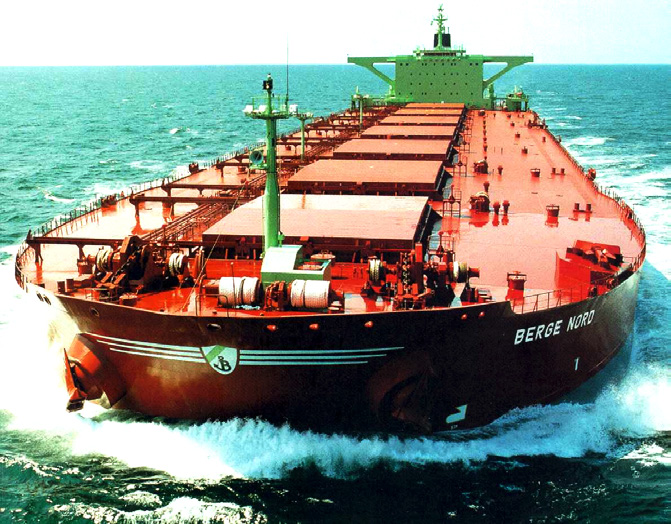
- VLCC (Very Large Crude Carrier): 200,000-320,000 DWT, the giants of crude oil transportation, typically deployed on long-haul routes such as West Africa to Asia, and usually requiring offshore lightering or deep-water terminals to discharge given their draft.
Selecting the right vessel class for a given voyage is a critical commercial and operational decision. Charterers must weigh cargo volume, port draft restrictions, freight economics, and the compatibility of a vessel's tank coatings with the cargo grade being carried, clean petroleum products require epoxy-coated tanks free of contamination from prior crude or dirty cargoes.
Chartering Arrangements: Voyage, Time and Contracts of Affreightment
Fuel does not move on ships owned outright by every oil trading company. Instead, cargo space is chartered through several standard commercial structures, each with distinct risk allocations between shipowner and charterer.
- Voyage charter: the shipowner is paid a freight rate to carry a specific cargo from a load port to a discharge port, with the owner bearing operating costs and the charterer paying for the cargo movement itself; this is the most common structure for single cargo fuel shipments into African ports.
- Time charter: the charterer hires the vessel for a defined period, controlling its commercial deployment while the owner retains crewing and technical management, useful for companies needing sustained, flexible shipping capacity across multiple voyages.
- Contract of Affreightment (COA): a longer-term agreement in which the charterer commits to moving a certain volume of cargo over a period of time across a series of voyages, without being tied to one specific vessel, offering flexibility while securing consistent freight capacity for recurring fuel supply programmes.
- Bareboat (demise) charter: the charterer takes on full operational responsibility for the vessel, including crewing, though this is less common in typical product trading operations.
Each chartering structure carries its own laytime terms, cancelling clauses, and freight payment mechanics, all documented through standardised charterparty forms that are then adapted through rider clauses to reflect the specific commercial deal between counterparties.
Laytime and Demurrage: The Economics of Waiting
One of the most commercially significant, and frequently misunderstood, aspects of tanker shipping is the concept of laytime, the period of time allowed under the charterparty for loading and discharging cargo without additional payment. When a vessel takes longer than the agreed laytime to complete cargo operations, whether due to port congestion, slow pumping rates, documentation delays, or customs holdups, the charterer typically becomes liable to pay demurrage, a pre-agreed daily rate compensating the shipowner for the vessel's lost earning time.
Conversely, if cargo operations are completed faster than the allowed laytime, some charterparties include a despatch clause, rewarding the charterer with a rebate, usually calculated at half the demurrage rate, for time saved.
Efficient port turnaround is not a bureaucratic detail; it is where real money is made or lost in the fuel supply chain.
Laytime calculations require meticulous documentation: Notice of Readiness (NOR), Statement of Facts (SOF), pumping logs, and time sheets are all cross-checked to determine exactly when laytime commenced, was interrupted, and ended. Disputes over laytime and demurrage are among the most common sources of commercial disagreement in the tanker trade, which is why experienced operators invest heavily in port agency oversight, accurate documentation, and proactive vessel husbandry to minimise delay-related costs.
Port and Terminal Operations
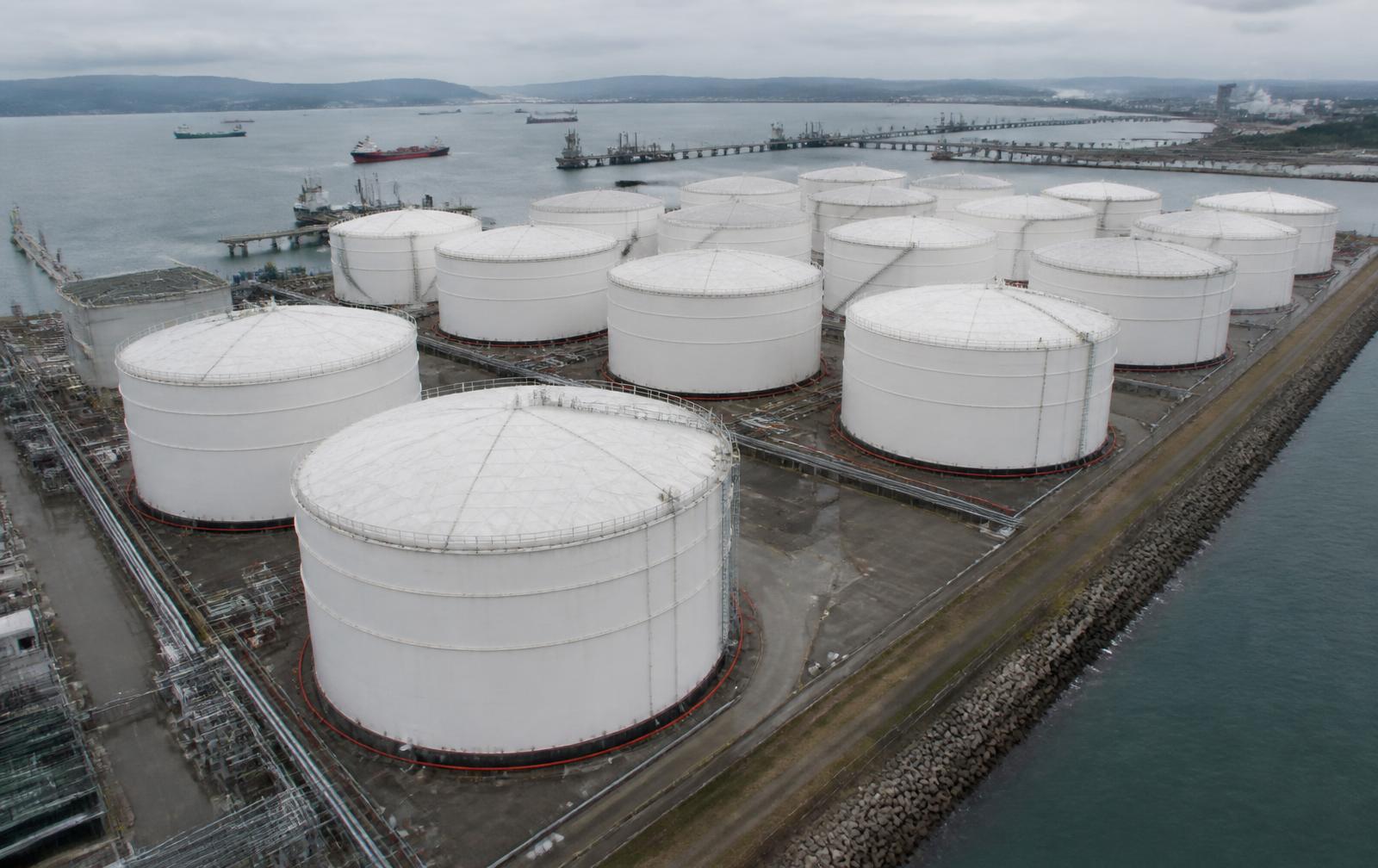
African ports handling petroleum products range from deep-water crude terminals capable of berthing VLCCs to smaller multipurpose harbours that can only accommodate MR-class tankers. Terminal operations for fuel cargoes typically involve several coordinated stages.
- Pre-arrival planning: berth allocation, tidal windows, pilotage bookings, and cargo documentation preparation are arranged well ahead of a vessel's estimated time of arrival.
- Mooring and safety checks: ship-shore safety checklists, fendering, and emergency shutdown system tests are completed before any hose connection is made.
- Custody transfer measurement: independent surveyors gauge tank levels, take samples, and verify quantities and quality both before loading and after discharge to establish an agreed record for commercial settlement.
- Pumping and hose management: cargo transfer rates are agreed and monitored throughout, with static electricity, vapour recovery, and spill containment protocols strictly enforced.
- Post-discharge reconciliation: outturn quantities are compared against bill of lading figures, with any discrepancies investigated for possible losses, measurement error, or short-shipment claims.
Terminal efficiency directly affects laytime performance, and ports investing in modern loading arms, larger storage tank farms, and digital berth-planning systems are increasingly favoured destinations for regional fuel trade.
Bunkering: Fuelling the Fleet Itself
Bunkering refers to the supply of fuel to ships themselves, the marine fuel oil, marine gas oil, or increasingly low-sulphur and LNG-based fuels that power the vessels carrying cargo around the world. Bunkering is a specialist logistics discipline in its own right, involving barge deliveries, ex-wharf supply, or direct pipeline connections at major bunkering hubs.
Since the International Maritime Organization's global sulphur cap regulations took effect, bunker fuel quality and compliance have become an even more central concern for shipowners and charterers alike. Vessels must carry Bunker Delivery Notes, comply with sulphur content limits, and in many cases install scrubber systems or switch to compliant low-sulphur fuel oil to avoid regulatory penalties and port state control detentions.
- Accurate bunker quantity surveys protect against short-delivery disputes between suppliers and receiving vessels.
- Fuel quality testing at the point of bunkering helps prevent engine damage from off-specification fuel, a persistent risk in some emerging bunkering markets.
- Bunkering hubs strategically located along African coastal shipping lanes reduce the need for vessels to deviate significantly from their trading routes, improving overall voyage economics.
From Coast to Interior: Road Tanker Haulage into Landlocked Markets
Botswana, like several of its Southern African neighbours, has no coastline, which means every litre of imported refined fuel must complete its journey inland by road or rail after arriving at a coastal discharge terminal, most commonly through ports in South Africa, Namibia or Mozambique. This final overland leg is where shipping logistics meets road tanker haulage, a distinct but equally demanding discipline.
- Long-haul road tankers, typically configured as tanker-and-trailer combinations, transport bulk fuel from coastal or inland depots to regional storage terminals and retail sites across the interior.
- Fleet scheduling must account for border-post queuing times, weighbridge checks, and seasonal demand surges, particularly around agricultural and mining activity peaks.
- Driver training, vehicle maintenance standards, and rollover-prevention protocols are essential given the hazardous nature of the cargo and the varied road conditions encountered on regional trunk routes.
- Depot-to-depot relay systems, where cargo is transferred between regional storage hubs before final distribution, help optimise haulage efficiency across long inland distances.
Because landlocked markets are entirely dependent on the reliability of this road (and in some corridors, rail) haulage network, any disruption at a coastal port, border post, or along a trunk route can quickly translate into fuel shortages hundreds of kilometres inland. This is why companies serving these markets place such heavy emphasis on route diversification, buffer stock planning, and strong relationships across multiple transit corridors.
Cross-Border Customs and Regulatory Coordination
Moving fuel across international boundaries within Africa involves navigating a web of customs regimes, transit bond requirements, and regional trade protocols. Southern African Development Community (SADC) member states, for instance, operate under frameworks intended to facilitate transit trade, yet each border crossing still requires careful documentary compliance.
- Customs transit bonds guarantee that fuel moving in-transit through a country will not be diverted onto the local market without duty being paid, protecting the transit state's revenue base.
- Electronic cargo tracking systems, increasingly deployed along major transit corridors, monitor tanker movements in real time to reduce fuel diversion and smuggling risk.
- Harmonised documentation, including certificates of origin, quality certificates, and manifest declarations, helps reduce delays at multiple border posts along a single haulage route.
- Regional trade facilitation initiatives aim to reduce border-crossing times, which directly benefits fuel security for landlocked economies reliant on timely inland deliveries.
Delays at border posts are not merely an inconvenience; for time-sensitive fuel deliveries, and particularly for jet fuel or products supporting industrial operations, customs bottlenecks can have real economic consequences, reinforcing the importance of strong customs relationships and proactive documentation management.
Loss Control and Quality Assurance During Transit
Fuel is a commodity vulnerable to both quantity loss and quality degradation as it moves through multiple transfer points from refinery to end user. Effective loss control programmes typically include the following measures.
- Calibrated tank gauging and mass-flow metering at every custody transfer point to detect and minimise measurement discrepancies.
- Regular sampling and laboratory testing against specification parameters such as density, sulphur content, flash point, and water contamination.
- Seal integrity checks on tanker compartments to guard against tampering or unauthorised product substitution during long-haul transport.
- Reconciliation reporting comparing loaded, transported, and delivered volumes across the full logistics chain to quickly flag anomalies.
Every stage of the supply chain is a checkpoint where quality must be verified, not assumed.
Reliable quality assurance protects not just commercial margins but also engine performance and safety for end consumers, particularly in sectors such as aviation and mining where off-specification fuel can cause serious equipment damage.
Safety and MARPOL Compliance
The maritime transport of petroleum products is governed by an extensive body of international regulation, most notably the International Convention for the Prevention of Pollution from Ships, widely known as MARPOL. Annex I of MARPOL specifically addresses the prevention of pollution by oil, setting requirements for double-hull construction, oil discharge monitoring, segregated ballast systems, and oil record book keeping aboard tankers.
- Double-hull tanker designs, now standard across the global fleet, significantly reduce the risk of cargo spillage in the event of grounding or collision.
- Oil Record Books must be meticulously maintained to log every transfer, ballasting, and tank-cleaning operation, and are subject to inspection by port state control authorities.
- Emergency response and spill containment planning, including access to dispersants and boom equipment, form a mandatory part of terminal and vessel operating procedures.
- Crew training in firefighting, spill response, and cargo handling safety is reinforced through regular drills and certification renewal.
Beyond MARPOL, national maritime authorities, port state control regimes, and increasingly stringent environmental, health and safety standards all combine to create a demanding compliance environment, one that responsible fuel logistics operators must treat as a core operational discipline rather than a regulatory afterthought.
Building Resilient Fuel Supply Chains for the Future
As African economies grow and energy demand rises, the pressure on shipping and logistics networks to deliver fuel reliably, safely and cost-effectively will only intensify. Investment in modern port infrastructure, digital tracking systems, well-maintained road tanker fleets, and rigorously trained personnel will determine which supply chains can meet that rising demand without compromising safety or product integrity.
- Diversifying import routes and transit corridors reduces single-point-of-failure risk for landlocked markets.
- Investing in storage capacity at strategic inland depots buffers against short-term disruptions at coastal ports or border crossings.
- Digitalisation of customs and cargo documentation continues to shrink transit times across regional corridors.
- Ongoing crew, driver and terminal staff training remains the single most effective safeguard against operational incidents.
Conclusion: BOTC's Role in Africa's Fuel Logistics Chain
Big Oil Trading Company Limited, headquartered in Gaborone, Botswana, recognises shipping and logistics as one of its core strategic business units, standing alongside oil trading, bunkering, storage terminals and refinery operations within its integrated business model. As a Botswana-based integrated oil energy company operating in a landlocked market, BOTC understands intimately what it takes to move fuel reliably from coastal terminals to inland storage and distribution points, the chartering decisions, the laytime discipline, the customs coordination, and the quality assurance checks described throughout this article are not abstract industry concepts but the everyday operational reality of supplying dependable energy across the region.
By committing to safe, efficient and environmentally responsible shipping and logistics practices, in line with its broader Green Agenda commitments to operational excellence, safety and environmental stewardship, Big Oil Trading Company continues to work toward its vision of being part of the global integrated oil energy community, ensuring that the fuel needed to power homes, industry and transport across Southern Africa arrives where it is needed, when it is needed, and to the quality standard it must meet.